How to Choose an Industrial Induction Cooker for Commercial Kitchens: A Complete Buying Guide
2026-04-11
Selecting the correct cooking equipment is one of the most important decisions when designing or upgrading a commercial kitchen. Understanding how to choose an industrial induction cooker helps restaurant owners, kitchen contractors, and foodservice operators improve efficiency, reduce operating costs, and ensure long-term reliability.
Compared with traditional gas equipment, modern industrial induction cookers offer:
higher heating efficiency
safer working environments
faster cooking performance
cleaner kitchen conditions
lower maintenance requirements
Because of these advantages, induction cooking systems are now widely used in restaurants, hotels, catering kitchens, and central food production facilities worldwide.
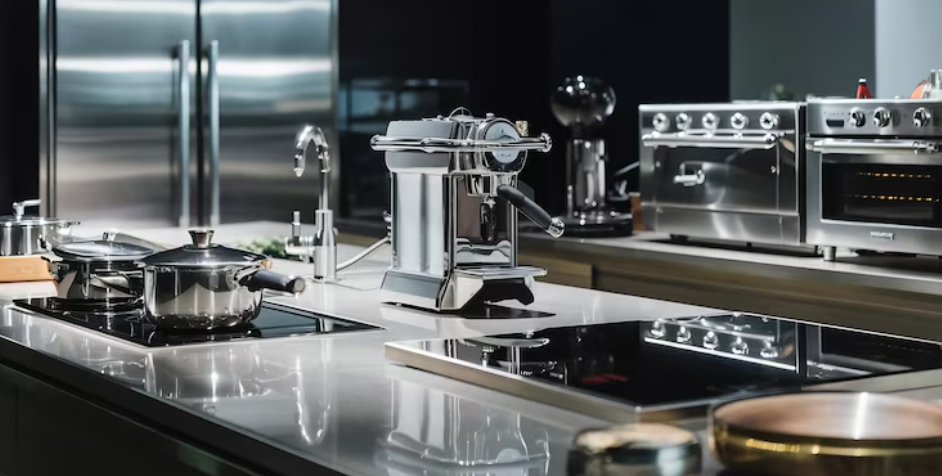
Before selecting a commercial induction unit, it is essential to evaluate your kitchen workload.
Consider the following factors:
number of meals served per day
cooking peak hours
type of cuisine
kitchen layout size
continuous operating hours
For example:
Small restaurants → single burner induction units
Medium kitchens → double burner commercial models
Central kitchens → high-power heavy-duty systems
For high-volume cooking environments, choosing a
restaurant induction cooker high power model
can significantly improve cooking speed and workflow efficiency.
Power capacity directly determines cooking performance.
Typical commercial induction cooker ranges include:
| Power Level | Application |
|---|---|
| 5kW | Small kitchens |
| 8kW | Medium restaurants |
| 12kW | Hotel kitchens |
| 15kW+ | Central production kitchens |
Higher power allows:
faster heating speed
stable continuous operation
better peak-hour performance
However, oversizing equipment unnecessarily may increase installation costs, so proper matching is essential.
The cooktop surface is one of the most critical components of an induction cooker.
High-quality commercial models normally use:
ceramic glass surfaces
shock-resistant materials
high-temperature tolerant panels
Advantages include:
improved safety
longer service life
easy cleaning after heavy use
This is a key indicator when evaluating a professional commercial induction stove.
Commercial kitchens operate under demanding conditions, including:
oil exposure
moisture
high temperature
continuous usage cycles
For this reason, selecting a cooker with a stainless-steel structure is essential.
Professional kitchens typically prefer
stainless steel commercial kitchen equipment
because it provides corrosion resistance and long-term reliability.
An efficient cooling system protects internal components and ensures stable operation during long cooking hours.
A reliable industrial induction cooker should include:
high-speed cooling fans
optimized airflow structure
overheating protection modules
intelligent circuit protection systems
These features extend equipment lifespan and reduce maintenance risks.
Energy efficiency is one of the biggest advantages of induction technology.
Compared with gas cooking systems:
Gas efficiency: 40–55%
Induction efficiency: up to 95%
Choosing an
energy saving commercial induction cooker
helps reduce operating expenses significantly over time, especially in high-volume kitchens.
When purchasing equipment for restaurant chains or large kitchen projects, supplier capability becomes very important.
Professional manufacturers should provide:
export experience
international certifications
OEM / ODM customization support
flexible voltage options
project-based solutions
Working directly with an experienced manufacturer like CHINENG allows buyers to customize:
cooker size
power configuration
control system
installation structure
to match specific commercial kitchen layouts.
Smart buyers evaluate total lifecycle cost rather than only initial investment.
Important considerations include:
expected lifespan
electricity consumption
maintenance requirements
spare parts availability
A high-quality industrial induction cooker can operate reliably for 5–8 years in professional kitchens with proper maintenance.
This makes it a cost-effective long-term investment for modern foodservice operations.
Understanding how to choose an industrial induction cooker helps restaurant operators and kitchen contractors select equipment that improves productivity while reducing energy costs.
By choosing the correct power level, durable materials, and a reliable manufacturer, commercial kitchens can achieve safer, cleaner, and more efficient cooking environments.
For restaurant chains, catering facilities, and central kitchen projects, working directly with a professional manufacturer like CHINENG ensures better customization flexibility and long-term operational value. 🔧🔥
Price transparency
Nationwide coverage
Rapid design
Quick quote
Worry-free after sale
Guangdong Jiushang Electronic Technology Co., Ltd.
+60 16-234 9929
Mobile: +60 16-234 9929
Contact: Manager Peng
Address: 69, Jalan Impian Emas 22, Taman Impian Emas, 81300 Skudai, Johor