How to Choose Commercial Kitchen Equipment for Chain Restaurants? CHINENG Selection Standards Validated by 100+ Store Locations
2026-05-23
For chain catering brands with more than 10 outlets, back-kitchen standardization often becomes the biggest development bottleneck.
Many brands frequently face these problems:
The same dish tastes different across different store locations.
Identical equipment lasts three years in one store but breaks down within six months in another.
New store opening is delayed due to time-consuming kitchen equipment procurement, installation and commissioning.
Huge energy consumption gaps exist among outlets, with monthly electricity costs ranging from $700 to $1,400.
The root cause lies in unstandardized kitchen equipment selection.
CHINENG is a professional brand of intelligent commercial kitchen appliances, focusing on small and medium chain restaurants and catering services. We provide high-efficiency and energy-saving core kitchen equipment including commercial induction cookers and dishwashers. Having served over 100 chain catering brands and nearly 2,000 store locations, CHINENG has summarized a set of market-proven standards for kitchen equipment selection.
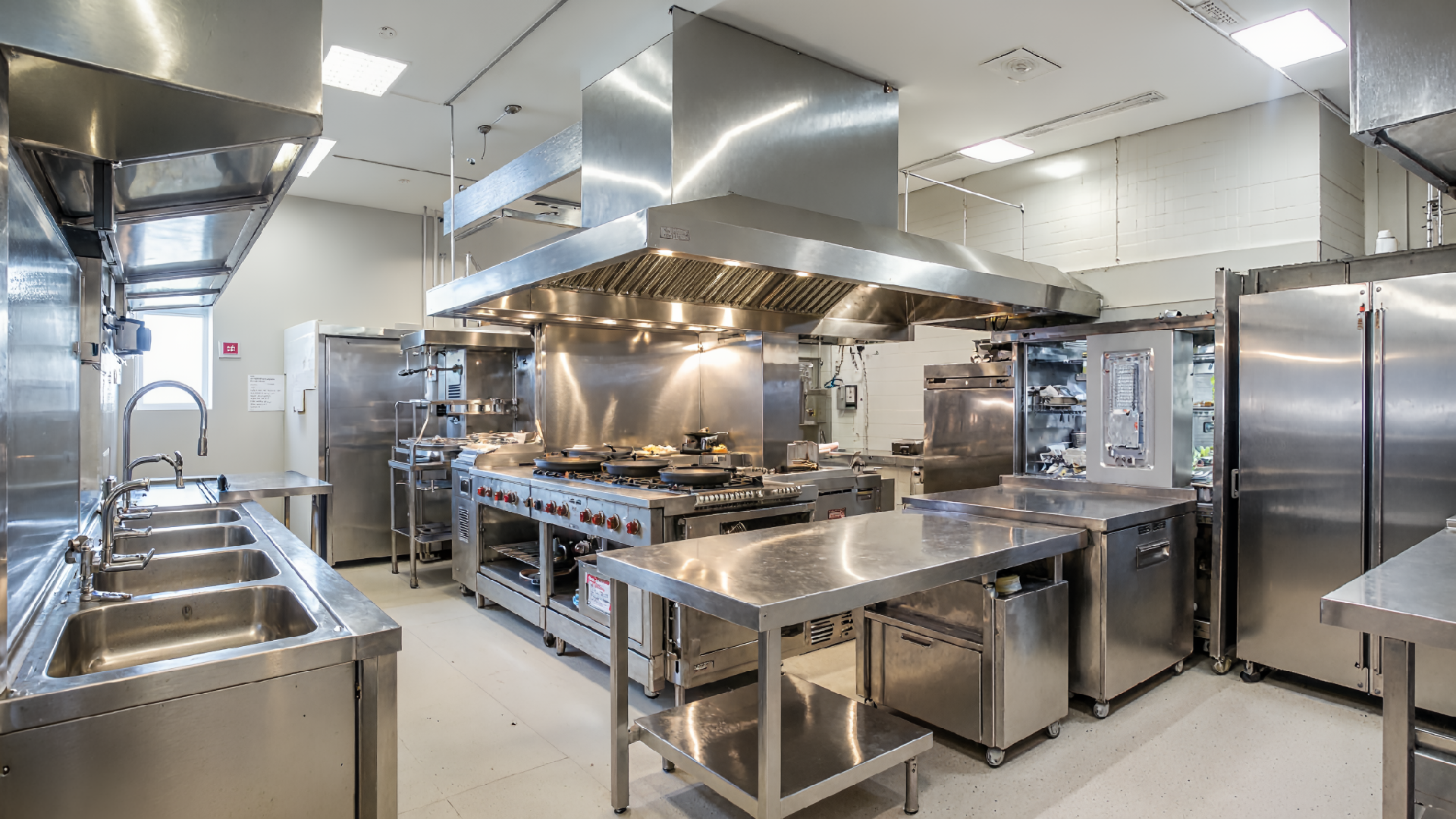
Many chain owners focus heavily on front-store service and marketing while neglecting back-kitchen equipment. In fact, standardized kitchen equipment brings far greater value than expected.
Taste inconsistency is the biggest challenge for Chinese catering. Even the same chef may deliver different flavors on different days.
Standardized kitchen equipment minimizes human interference:
Constant-temperature induction cooker: Precise temperature control within ±5°C, avoiding flavor changes caused by unstable fire power.
Timed steam cabinet: Steaming time accurate to the second to ensure consistent quality for every batch.
Intelligent clay pot stove: Even rice crust thickness without undercooking or burning.
With standardized equipment, even new chefs can deliver stable dish quality after simple training.
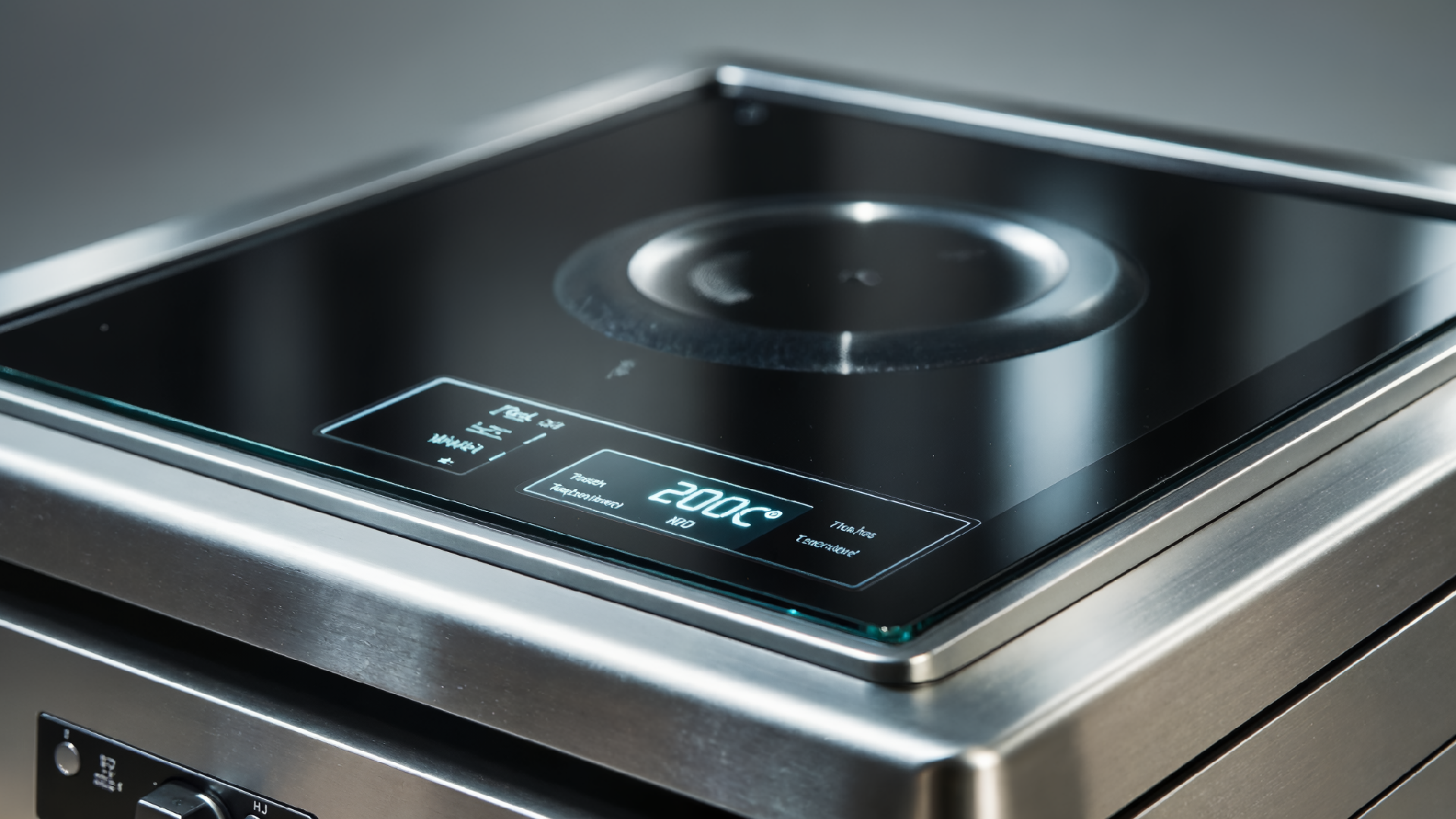
Standardized selection enables bulk procurement with lower purchasing prices.
More importantly, unified equipment brings standardized energy consumption:
Stable electricity consumption per store for accurate cost accounting.
Horizontal energy consumption comparison among outlets for optimized management.
Clear energy consumption assessment standards set by headquarters.
After fully adopting CHINENG standardized equipment, many chain brands cut back-kitchen operating costs by an average of 15%–20% per store.
For brands pursuing fast store expansion, standardized kitchen solutions greatly shorten the opening cycle.
Traditional model: New store preparation → kitchen designer → solution design → procurement → installation → commissioning → trial operation, taking at least 1–2 months.
Standardized model: Directly apply headquarters verified equipment solutions. CHINENG provides one-stop services including design, production, installation and commissioning, completing kitchen construction in as fast as 7 days.
Many chains achieve rapid expansion of 3 new stores per month relying on standardized back-kitchen solutions.
Diversified equipment models require a large inventory of spare parts and professional training for technicians to master multiple brands.
After equipment standardization:
Spare parts inventory cost greatly reduced.
Lower training costs for maintenance engineers.
Faster fault response and on-site repair.
Flexible equipment deployment and allocation across different store locations.
Validated by 100+ chain brands and 2,000+ outlets, CHINENG has established a complete standard framework for kitchen equipment selection.
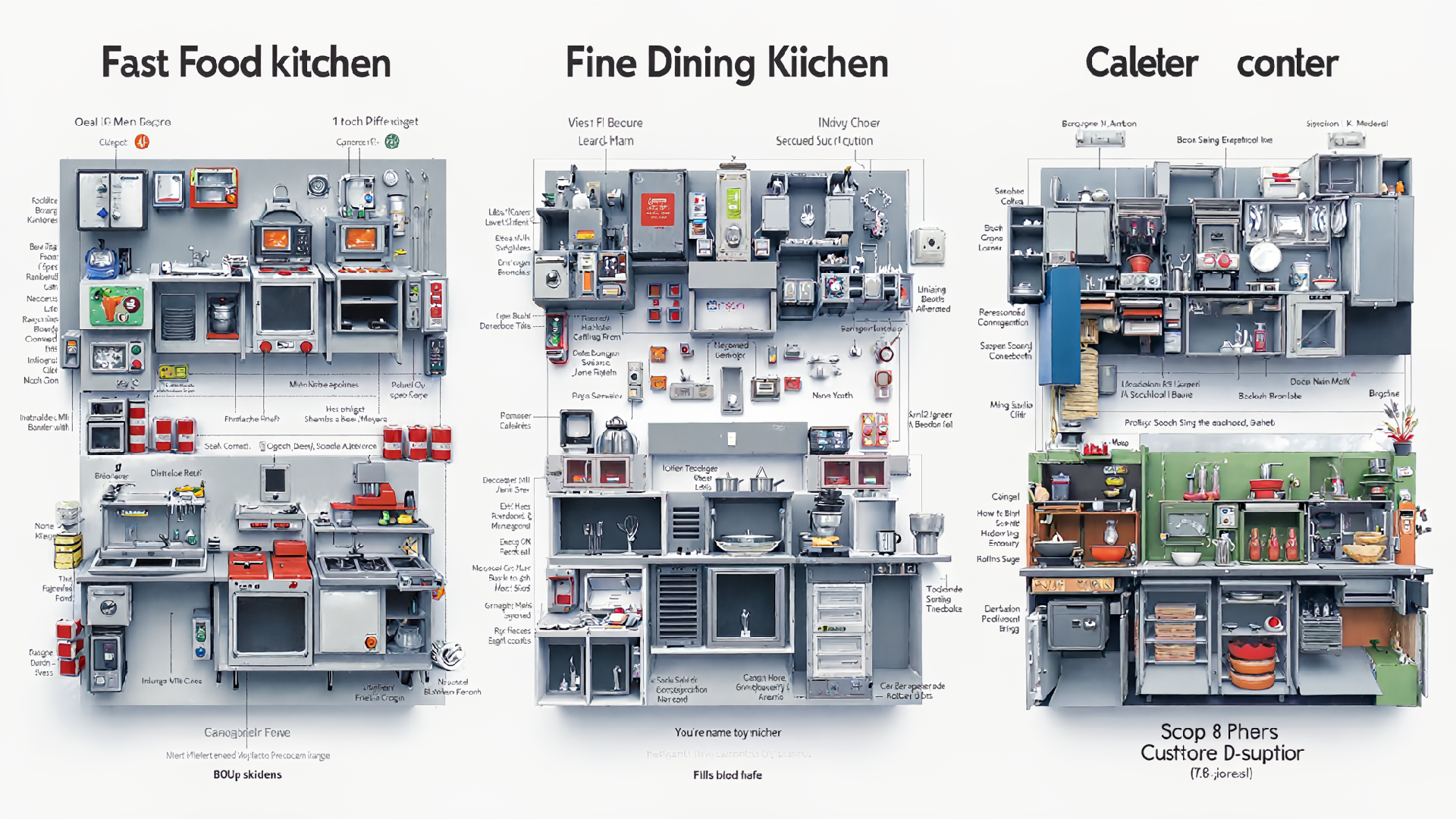
Different catering formats require different kitchen equipment configurations.
Fast Food (Noodles, Clay Pot Rice, Casual Dining)
Core equipment: Multi-head induction cooker, intelligent clay pot stove, commercial dishwasher
Key requirements: Fast serving speed, simple operation, durable for high-frequency use
Full-Service Chinese Restaurant (Hunan Cuisine, Sichuan Cuisine)
Core equipment: High-power induction wok, steam cabinet, disinfection cabinet, commercial dishwasher
Key requirements: Strong fire power, compatible with diverse cooking techniques, stable and reliable performance
Canteen (Enterprise & School Canteen)
Core equipment: Large induction wok, rice steaming cabinet, heavy-duty commercial dishwasher
Key requirements: Large capacity, durability, easy cleaning, capable of peak-time mass meal supply
CHINENG provides customized and verified equipment lists according to customers’ business formats to avoid improper purchasing.
Higher power does not always mean better performance. Excessive power wastes procurement cost and daily electricity consumption; insufficient power cannot meet peak serving demand.
CHINENG practical experience:
Stores below 50㎡ (takeaway-focused): Main cooker power 8–12KW
Standard stores 100–200㎡: Main cooker power 12–15KW
Large stores above 300㎡: Main cooker power 15–20KW plus auxiliary equipment
This configuration perfectly meets peak business needs without energy waste.
Chain stores vary in size, and modular equipment can adapt flexibly to different space layouts.
All CHINENG equipment adopts modular design:
Multi-head induction cooker: Optional 4-burner, 6-burner or 8-burner models
Commercial dishwasher: Single-tank, double-tank and triple-tank available
Steam cabinet: 6-tray, 12-tray and 24-tray specifications
Stores can start with basic configuration and add modules as business grows, without full equipment replacement.
Intelligent operation is the future trend of commercial kitchens and the core guarantee of standardization.
CHINENG intelligent equipment supports:
Automatic constant temperature: Power drops automatically when reaching preset oil temperature
Precise timing: Accurate timing for steaming, boiling and stewing
Energy & runtime data recording
Early fault warning to avoid business interruption
These intelligent functions allow headquarters to remotely monitor equipment operating status across all outlets.
In long-term customer service, CHINENG summarizes four typical mistakes made by most chain brands.
Many brands choose equipment merely based on low quotation. Cheap equipment often breaks down within half a year, with cumulative maintenance costs even higher than buying new machines.
One customer purchased low-cost induction cookers before switching to CHINENG. Although the initial procurement cost was 30% higher, CHINENG equipment ran stably for over three years without failure, achieving better overall cost performance.
Some brands purchase oversized and high-power equipment all at once for future expansion. Most small and medium stores cannot reach designed capacity, resulting in serious energy waste.
The correct approach: Match basic configuration to current demand, reserve expansion space, and upgrade gradually based on actual business performance.
Many brands buy equipment first then plan layout, leading to unsuitable equipment size and unreasonable workflow that slows down meal serving efficiency.
CHINENG professional workflow: On-site measurement → kitchen layout design → confirm equipment model and placement, ensuring proper size and optimal operating efficiency.
Equipment purchase is not the end; professional installation, commissioning, operation training and after-sales support are equally important.
CHINENG provides exclusive full lifecycle services for chain clients:
On-site installation & commissioning
Chef operation training
Store manager equipment maintenance training
Regular on-site inspection & maintenance
24-hour rapid fault response
Many customers comment that CHINENG’s after-sales service is more valuable than the equipment itself.
Customer Background
Brand: Well-known Hunan rice noodle chain
Scale: 8 existing stores, planned to expand to 50 stores within 3 years
Pain points: Inconsistent equipment models, unstable food taste, large energy consumption differences among outlets
CHINENG Standardized Solution
Unified Equipment SelectionUniform configuration: 6-head induction noodle cooker + commercial dishwasher + disinfection cabinet; unified 12KW power for consistent noodle cooking time; all equipment uniformly adopting CHINENG brand for easy maintenance.
Standard Operating ProceduresFormulate standard operation specifications for noodle cookers and dishwashers including water temperature, portion quantity, cooking time, washing temperature and detergent dosage; deliver professional on-site training to ensure consistent operation in all stores.
Standard Energy Consumption AssessmentSet energy consumption benchmarks per bowl of rice noodles; monthly energy consumption statistics and analysis for each store; share experience of high energy-saving stores.
Implementation Results
Taste consistency improved by 80% across all outlets
Average monthly electricity cost reduced from $600 to $500, down 16.7%
New store kitchen preparation cycle shortened from 45 days to 15 days
Equipment failure rate dropped by 90%, greatly cutting maintenance costs
The brand has now expanded to more than 30 stores, and its back-kitchen standardization system has become a core competitive advantage for rapid development.
The competition among chain catering brands is essentially the competition of standardization capability. Brands that achieve standardized food quality, operating cost control and fast store replication will take the lead in the market. Among all links, kitchen equipment standardization is the most fundamental and critical foundation.
As a professional intelligent commercial kitchen equipment brand serving chain catering, CHINENG shares rich experience accumulated from 100+ chain brands and 2,000+ outlets with global catering practitioners.
If you are troubled by back-kitchen standardization and store expansion bottlenecks, CHINENG customized standardized kitchen solutions will help your brand break through development limits.
Note: All cases come from real CHINENG customers. Data is for reference only; actual results may vary due to brand positioning, catering format and management level.
Price transparency
Nationwide coverage
Rapid design
Quick quote
Worry-free after sale
Guangdong Jiushang Electronic Technology Co., Ltd.
+60 16-234 9929
Mobile: +60 16-234 9929
Contact: Manager Peng
Address: 69, Jalan Impian Emas 22, Taman Impian Emas, 81300 Skudai, Johor