The Ultimate Guide to Commercial Gas Stoves: Why They Dominate Professional Kitchens
2026-05-30
In the fast-paced world of professional catering, cooking equipment can make or break your business. Whether you run a bustling Chinese restaurant, a hotel kitchen, or a large canteen, the choice between gas and electric cooking appliances directly impacts your operating costs, food quality, and service speed. In this comprehensive guide, we explore why commercial gas stoves remain the backbone of professional kitchens worldwide, what specifications matter most, and how to choose the right model for your business.
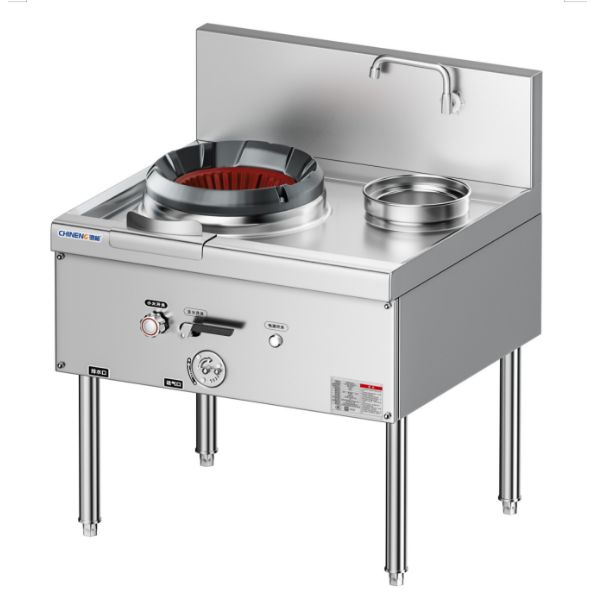
Many kitchen operators face the dilemma of gas versus electric cooking. Here is an honest breakdown based on real-world operations:
Gas Stove Advantages:
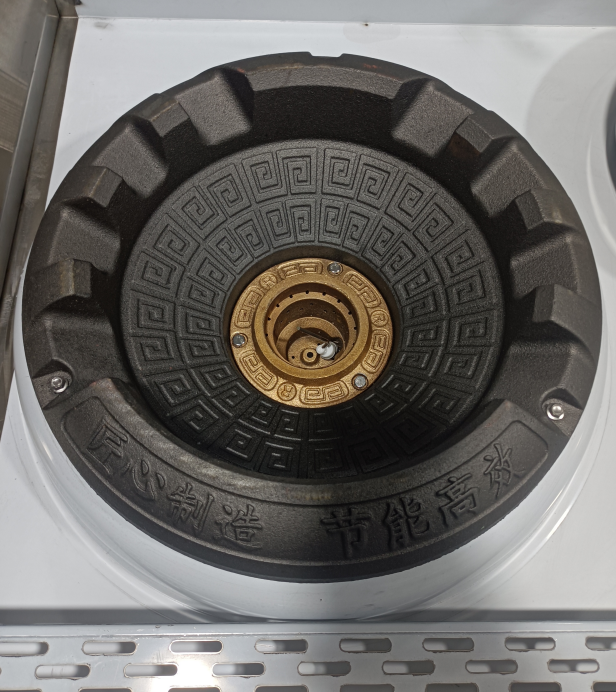
· Superior Firepower – Commercial gas burners deliver intense, instantaneous heat. Models like the SZCT26 series exceed 35kW, making them ideal for explosive stir-fry techniques that require wok hei (the coveted breath of the wok).
· Precise Temperature Control – Chefs can adjust flame intensity instantly by turning the gas valve, offering unmatched responsiveness compared to electric coils or induction units.
· Lower Purchase Cost – Gas stoves generally have a lower upfront investment than electromagnetic alternatives of comparable power output.
· Proven Durability – With fewer electronic components, a well-built gas range withstands years of heavy daily use in demanding environments.
Electric / Induction Advantages:
· Safety – No open flame, no risk of gas leakage-related accidents.
· Easy Cleaning – Flat ceramic surfaces are far easier to wipe down than burner grates.
· Energy Efficiency – Induction cooking converts over 80% of electrical energy into heat.
Conclusion: For high-volume, high-temperature cooking — especially Chinese, Southeast Asian, and Western char-grill cuisine — commercial gas stoves remain the superior choice. Induction excels in controlled environments where safety and cleanliness take priority over raw firepower.
High-quality commercial gas stoves are constructed from grade 201 stainless steel with a top panel thickness of 0.7 mm and body thickness of 0.6 mm. This ensures corrosion resistance, easy cleaning, and structural integrity during continuous high-temperature operation.
Different gas types require different operating pressures:
· Liquefied Petroleum Gas (LPG): 2,800 Pa (standard low-pressure valve of 1.2 L capacity required; medium-pressure valves are strictly prohibited for safety reasons)
· Natural Gas (NG): 2,000 Pa
Typical gas consumption rates are approximately 2.4 kg/hour for LPG and 2.7 m³/hour for natural gas, depending on the specific model and power setting.
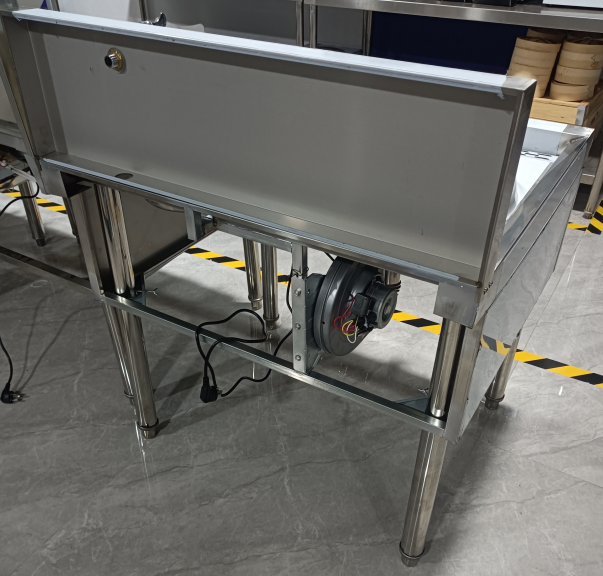
Most commercial gas stoves with forced-air blowers require a standard 10A / 220V power supply. The blower motor typically consumes 120W, providing optimal primary air intake for complete combustion. Always ensure the electrical outlet is properly grounded and installed in a dry location.
Standard water inlet uses a 4-fen (1/2-inch) pipe at 20 mm diameter. The drainage outlet is 38 mm in diameter. Please note that inlet pipes, drain pipes, gas hoses, and low-pressure valves are not included with the equipment and must be sourced separately.
Designed for small and medium fast-food shops, street stalls, and budget-conscious start-up restaurants. Features include essential flameout protection as standard. Shipped in carton packaging, the unit comes disassembled — the legs and backrest need to be installed upon receipt. Warranty: 1 year on the flameout safety system, 1 year on the blower motor. Factory on-site service is available.
Built for heavy-duty continuous use in chain restaurants, hotels, and large canteens. Shipped in reinforced wooden frame packaging for maximum protection during transit. Warranty: 2 years on the flameout safety system, 1 year on the blower motor. Factory on-site service is not included.
All models in our commercial gas stove lineup are equipped with mandatory flameout (thermocouple) protection devices. When the flame is accidentally extinguished by liquid overflow or draft, the thermocouple detects the temperature drop and automatically cuts off the gas supply within seconds, preventing dangerous gas accumulation. Keep the thermocouple probe clean and free of grease buildup to ensure rapid response.
· Ventilation: The stove must be installed in a well-ventilated kitchen. Maintain a minimum clearance of 15 cm between the stove and any walls or obstacles.
· Gas Connection: Use a certified 1.2 L low-pressure regulator for LPG. Never use a medium-pressure valve. Always perform a leak test before first use.
· Environment: Operating temperature range is 0°C to 40°C. Avoid humid or corrosive environments. Keep flammable materials away from the cooking area.
· Clean burner ports regularly to prevent oil and food residue from blocking flame openings.
· Check gas hoses and connections for wear, cracking, or leaks at least once per month.
· Keep the flameout protection probe clean for reliable emergency shutoff.
· Ensure the blower fan intake is free of dust and grease accumulation.
Whether you are outfitting a new restaurant or replacing outdated equipment, our range of commercial gas stoves delivers the power, reliability, and safety your kitchen demands. Contact us today for wholesale pricing and customization options.
Price transparency
Nationwide coverage
Rapid design
Quick quote
Worry-free after sale
Guangdong Jiushang Electronic Technology Co., Ltd.
+60 16-234 9929
Mobile: +60 16-234 9929
Contact: Manager Peng
Address: 69, Jalan Impian Emas 22, Taman Impian Emas, 81300 Skudai, Johor